
Physiotherapy for Disc Injuries and Degeneration Treatment in Warilla & the Illawarra
Disc injuries and disc degeneration are common spinal conditions that can cause back pain, stiffness, reduced mobility and, in some cases, pain travelling into the buttocks or legs. Symptoms may develop suddenly following lifting, bending or injury, or gradually over time as part of age-related changes within the spine. At Illawarra Rehabilitation Clinic in Warilla, our team assesses how your symptoms are affecting your movement, function and quality of life before developing an individualised rehabilitation plan based on your goals and needs. We support patients from Warilla, Shellharbour, Albion Park, Wollongong and throughout the Illawarra.
Book an Appointment
What Are Disc Injuries and Disc Degeneration?
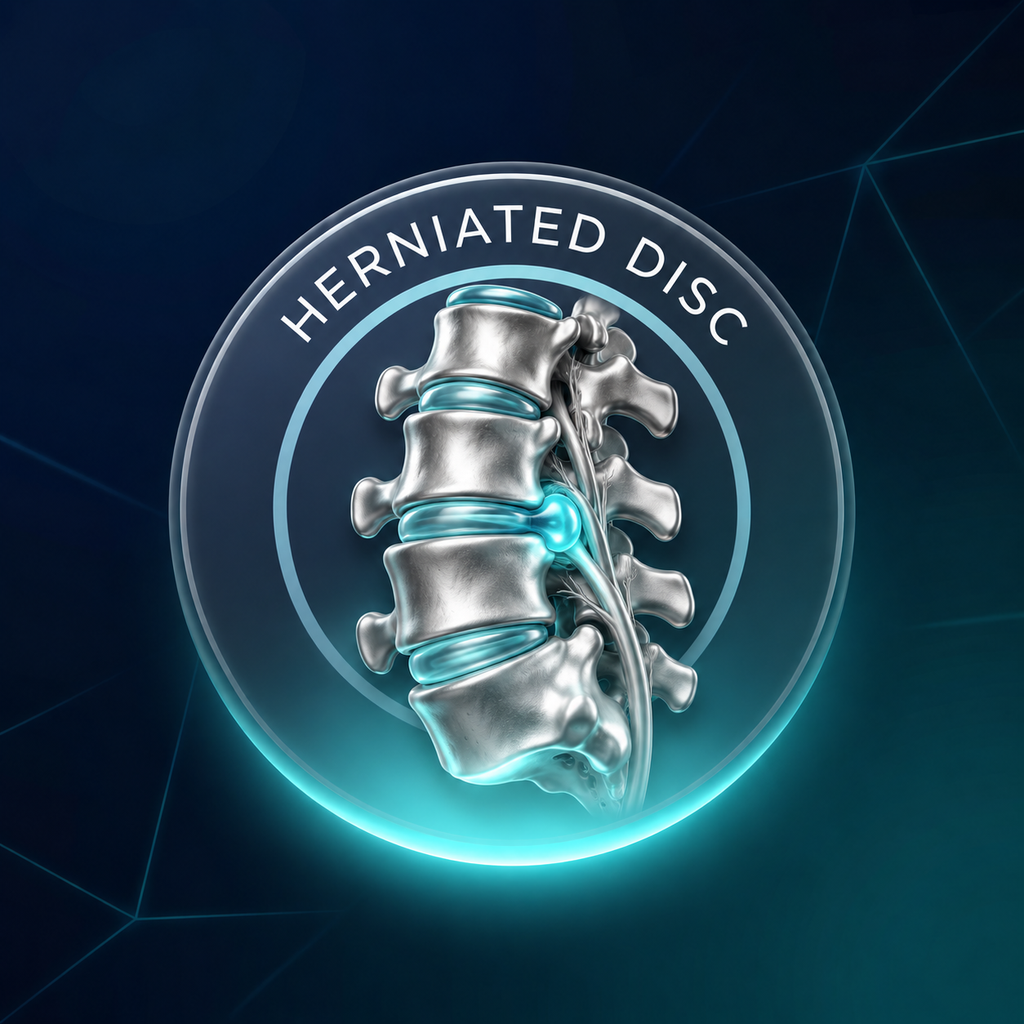
The discs of the spine act as cushions between the vertebrae, helping absorb forces and allowing movement. Disc injuries may occur when a disc is strained, bulges, protrudes or herniates. Disc degeneration refers to age-related changes that occur within the discs over time. While disc changes are common and often seen on imaging, they do not always cause symptoms. When symptoms do occur, they may result in pain, stiffness, reduced mobility or nerve irritation.
Common Symptoms of Disc Injuries and Degeneration
Symptoms vary between individuals but may include:
✔ Lower back pain
✔ Neck pain
✔ Back stiffness
✔ Pain during bending, lifting or prolonged sitting
✔ Pain travelling into the buttock or leg
✔ Tingling or numbness in the leg or foot
✔ Reduced spinal mobility
✔ Muscle tightness and guarding
✔ Difficulty exercising or completing daily activities
✔ Episodes of recurring back pain
Common Causes of Disc Injuries and Degeneration
Disc-related symptoms may develop for a variety of reasons, including:
✔ Lifting injuries
✔ Repetitive bending and twisting
✔ Sporting injuries
✔ Workplace activities
✔ Prolonged sitting
✔ Poor movement mechanics
✔ Age-related disc changes
✔ Previous back injuries
✔ Reduced physical conditioning
✔ Increased spinal loading over time
Because symptoms can arise from multiple structures within the spine, an individual assessment is important before deciding on the most appropriate rehabilitation approach.
Assessment and Diagnosis
Your clinician will begin by discussing your symptoms, medical history, work demands, physical activities and rehabilitation goals. The assessment may include spinal movement testing, mobility assessment, strength testing, neurological screening, functional assessment and review of imaging reports where available. The aim is to determine how your symptoms are affecting your movement and function and to identify the factors contributing to your presentation.
How Physiotherapy May Help
Physiotherapy may play an important role in managing disc-related symptoms and supporting recovery. Treatment may include education, movement modification strategies, mobility exercises, strengthening exercises, hands-on treatment where appropriate and guidance on returning to normal activities. Physiotherapy aims to improve movement, function and confidence while helping you safely return to work, exercise and daily activities.
Related Service: Physiotherapy
Exercise Rehabilitation for Disc Conditions
Exercise rehabilitation is often an important component of managing disc injuries and degeneration. Programs may focus on improving spinal mobility, core strength, trunk stability, flexibility, endurance and functional capacity. Exercise programs are tailored to your individual presentation and adjusted as your recovery progresses.
Related Service: Exercise Physiology
Hydrotherapy for Disc-Related Back Pain
Hydrotherapy may be beneficial for some people experiencing disc-related symptoms. The buoyancy of the water reduces the load through the spine, which can make movement and exercise more comfortable. Hydrotherapy may assist with improving mobility, strength, confidence and overall physical conditioning in a low-impact environment.
Related Service: Hydrotherapy
Spinal Rehabilitation Programs
Some individuals with persistent symptoms, recurrent episodes of back pain or recovery following spinal procedures may benefit from a structured spinal rehabilitation program. Rehabilitation may focus on improving movement, restoring strength, increasing activity tolerance, returning to work and developing long-term strategies to support spinal health.
Related Service: Spinal Rehabilitation
When Should You Seek Medical Advice?
While many disc-related conditions can be managed conservatively, some symptoms require urgent medical assessment. You should seek medical advice if you experience significant weakness in the legs, loss of bladder or bowel control, worsening numbness, severe trauma, unexplained weight loss, persistent night pain or rapidly worsening symptoms. Your clinician may also recommend medical review where appropriate.
Why Choose Illawarra Rehabilitation Clinic?
✔ Physiotherapy
✔ Exercise Physiology
✔ Hydrotherapy Pool
✔ Rehabilitation Gym
✔ Spinal Rehabilitation Programs
✔ Work Rehabilitation Services
✔ NDIS Services
✔ Individualised Rehabilitation Plans
✔ Convenient Warilla Location
At Illawarra Rehabilitation Clinic, we provide a multidisciplinary approach to rehabilitation from our purpose-built facility in Warilla. Our team works with people recovering from injury, managing chronic conditions and improving their ability to work, exercise and stay active.
Frequently Asked Questions
Can a disc bulge heal?
Many disc injuries improve over time with appropriate rehabilitation, activity modification and exercise. Recovery times vary between individuals.
Does disc degeneration always cause pain?
No. Disc degeneration is commonly seen on scans, particularly as people get older, and many people with disc degeneration have no symptoms.
Can physiotherapy help disc injuries?
Physiotherapy may help improve mobility, strength, function and confidence with movement while supporting recovery and symptom management.
Is hydrotherapy suitable for disc-related back pain?
Hydrotherapy may be appropriate for some individuals by providing a low-impact environment for movement and exercise. Suitability is determined following assessment.
Will I need surgery?
Most people with disc-related symptoms do not require surgery. Your clinician can help determine whether rehabilitation is appropriate and whether further medical review may be beneficial.
Start Your Rehabilitation
If back pain is affecting your movement or everyday activities, our team can help you understand the appropriate next step.
Complete our online assessment or contact Illawarra Rehabilitation Clinic to discuss an appointment.