
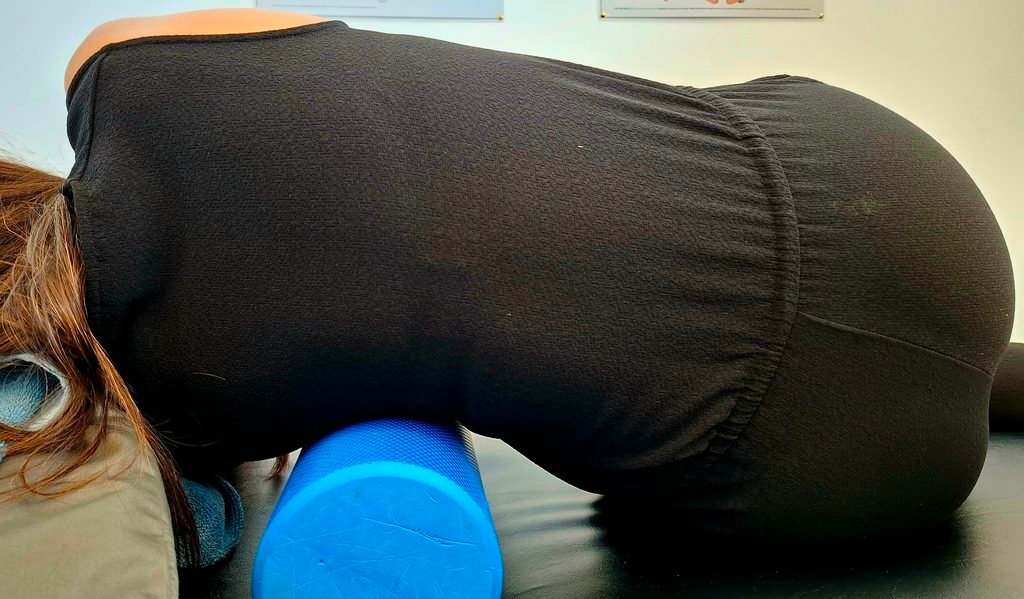
Physiotherapy and Exercise Physiology for the treatment of Scoliosis
Scoliosis is a condition involving an abnormal sideways curvature of the spine. While some people experience few symptoms, others may develop back pain, muscle fatigue, stiffness, reduced mobility or postural changes that affect daily activities. Scoliosis can occur in children, adolescents and adults, and the severity of symptoms varies significantly between individuals. At Illawarra Rehabilitation Clinic in Warilla, our team assesses how scoliosis is affecting your movement, function and quality of life before developing an individualised rehabilitation plan based on your goals and needs. We support patients from Warilla, Shellharbour, Albion Park, Wollongong and throughout the Illawarra.
Book an Appointment
What Is Scoliosis?
Scoliosis is a condition where the spine develops an abnormal curve when viewed from behind. Curves may occur in the upper back, lower back or both regions of the spine. Some cases develop during adolescence without a clearly identifiable cause, while others occur as a result of age-related changes, spinal degeneration, neuromuscular conditions or previous injuries. Depending on the severity, scoliosis may affect posture, movement, muscle balance and physical function.
Common Symptoms of Scoliosis
Symptoms vary between individuals but may include:
✔ Uneven shoulders
✔ Uneven hips or waistline
✔ Visible spinal curve
✔ Back pain
✔ Muscle tightness and fatigue
✔ Reduced spinal mobility
✔ Postural changes
✔ Difficulty standing for long periods
✔ Reduced exercise tolerance
✔ Stiffness during everyday activities
Common Causes of Scoliosis
There are several different types of scoliosis, including:
✔ Adolescent idiopathic scoliosis
✔ Degenerative scoliosis
✔ Congenital scoliosis
✔ Neuromuscular scoliosis
✔ Age-related spinal changes
✔ Previous spinal injuries
✔ Degenerative disc disease
✔ Osteoarthritis affecting the spine
✔ Muscle imbalances
✔ Structural changes within the spine
Because scoliosis varies considerably from person to person, an individual assessment is important before deciding on the most appropriate rehabilitation approach.
Assessment and Diagnosis
Your clinician will discuss your symptoms, medical history, activity levels, work demands and rehabilitation goals. The assessment may include postural analysis, spinal mobility testing, strength assessment, flexibility assessment, functional testing and review of imaging reports where available. The aim is to understand how scoliosis is affecting your movement and function and identify opportunities to improve mobility, strength and overall physical capacity.
How Physiotherapy May Help
Physiotherapy may assist with improving mobility, reducing stiffness, managing pain and supporting movement efficiency. Treatment may include education, mobility exercises, postural retraining, stretching programs, hands-on treatment where appropriate and strategies to improve everyday function. Physiotherapy aims to help individuals move more comfortably and confidently while supporting long-term spinal health.
Related Service: Physiotherapy
How Exercise Physiology May Help
Exercise Physiology is often an important component of scoliosis management. Exercise physiologists develop individualised exercise programs designed to improve strength, posture, mobility, endurance and overall physical function. Programs may focus on core strength, spinal stability, flexibility, balance and conditioning while helping people remain active and physically independent.
Related Service: Exercise Physiology
Hydrotherapy for Scoliosis
Hydrotherapy may provide a comfortable, low-impact environment for exercise and rehabilitation. The buoyancy of the water reduces loading through the spine while allowing movement, strengthening and conditioning exercises to be performed more comfortably. Hydrotherapy may assist with mobility, confidence with movement and overall physical function. It is often used alongside physiotherapy and exercise physiology as part of a comprehensive rehabilitation program.
Related Service: Hydrotherapy
Scoliosis Rehabilitation Programs
Some individuals with scoliosis may benefit from a structured rehabilitation program designed to improve movement, strength, posture and functional capacity. Rehabilitation may focus on improving activity tolerance, supporting return to work or recreation, reducing physical limitations and developing long-term strategies to support spinal health and independence.
Related Service: Rehabilitation Programs
When Should You Seek Medical Advice?
While many people successfully manage scoliosis through rehabilitation and exercise, medical assessment may be necessary if symptoms are worsening, the spinal curve appears to be progressing, neurological symptoms develop, significant weakness occurs or your condition is affecting your ability to perform everyday activities. Your clinician may also recommend specialist review where appropriate.
Why Choose Illawarra Rehabilitation Clinic?
✔ Physiotherapy
✔ Exercise Physiology
✔ Hydrotherapy Pool
✔ Rehabilitation Gym
✔ Spinal Rehabilitation Programs
✔ Work Rehabilitation Services
✔ NDIS Services
✔ Individualised Rehabilitation Plans
✔ Convenient Warilla Location
At Illawarra Rehabilitation Clinic, we provide a multidisciplinary approach to rehabilitation from our purpose-built facility in Warilla. Our team works with people recovering from injury, managing chronic conditions and improving their ability to work, exercise and stay active.
Frequently Asked Questions
Can scoliosis cause back pain?
Some people with scoliosis experience back pain, stiffness or muscle fatigue, while others have few or no symptoms.
Can exercise help scoliosis?
Appropriate exercise may help improve strength, mobility, posture, endurance and overall physical function.
Can physiotherapy help scoliosis?
Physiotherapy may help improve movement, manage symptoms and support better physical function through individualised rehabilitation strategies.
Is hydrotherapy suitable for scoliosis?
Hydrotherapy may provide a low-impact environment for exercise and rehabilitation, particularly for people who find land-based exercise uncomfortable.
Does scoliosis always get worse over time?
Not necessarily. Many people with scoliosis remain stable and continue to live active lives. Monitoring and appropriate rehabilitation may help support long-term function and spinal health.
Start Your Rehabilitation
If back pain is affecting your movement or everyday activities, our team can help you understand the appropriate next step.
Complete our online assessment or contact Illawarra Rehabilitation Clinic to discuss an appointment.