
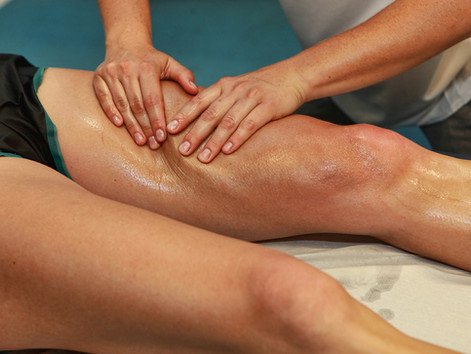
Rehabilitation for ACL injuries in Warilla and Shellharbour
Anterior Cruciate Ligament (ACL) injuries are one of the most common serious knee injuries, particularly in sports involving jumping, pivoting, sudden changes of direction and high-speed movement. An ACL injury can have a significant impact on walking, work activities, exercise and sporting participation. At Illawarra Rehabilitation Clinic in Warilla, our team assesses how your ACL injury is affecting your movement, function and quality of life before developing an individualised rehabilitation plan based on your goals and needs. We support patients from Warilla, Shellharbour, Albion Park, Wollongong and throughout the Illawarra.
Book an Appointment
What Is an ACL Injury?
The Anterior Cruciate Ligament (ACL) is one of the major stabilising ligaments within the knee. It helps control forward movement and rotational stability of the joint. ACL injuries may involve a partial tear or complete rupture of the ligament and commonly occur during sport, sudden twisting movements, awkward landings or traumatic knee injuries. Some people require surgery, while others may successfully manage their injury through rehabilitation.
Common Symptoms of ACL Injuries
Symptoms vary between individuals but may include:
✔ A popping sensation at the time of injury
✔ Immediate knee pain
✔ Rapid swelling of the knee
✔ Difficulty walking
✔ Knee instability or giving way
✔ Reduced confidence with movement
✔ Difficulty changing direction
✔ Reduced knee strength
✔ Reduced range of movement
✔ Difficulty returning to sport or physical activity
Common Causes of ACL Injuries
ACL injuries commonly occur due to:
✔ Sudden changes of direction
✔ Pivoting movements
✔ Sporting collisions
✔ Awkward landings from jumping
✔ Rapid deceleration movements
✔ Twisting injuries
✔ Falls
✔ Netball injuries
✔ Soccer injuries
✔ Football and basketball injuries
Because ACL injuries are often associated with damage to other knee structures, an individual assessment is important before deciding on the most appropriate rehabilitation approach.
Assessment and Diagnosis
Your clinician will discuss your symptoms, injury history, sporting activities, work demands and rehabilitation goals. The assessment may include knee movement testing, ligament stability testing, strength assessment, walking assessment, balance testing and review of MRI reports or specialist findings where available. The aim is to understand the severity of the injury and develop an appropriate rehabilitation pathway.
How Physiotherapy May Help
Physiotherapy plays an important role in ACL rehabilitation, both before and after surgery where applicable. Treatment may include education, swelling management, range of movement exercises, strength training, balance training, movement retraining and progressive return-to-activity planning. Physiotherapy aims to restore knee function, improve stability and support a safe return to work, exercise and sport.
Related Service: Physiotherapy
How Exercise Physiology May Help
Exercise Physiology is often an important component of ACL rehabilitation. Exercise physiologists develop structured exercise programs designed to improve strength, balance, power, coordination and overall lower limb function. Programs may focus on rebuilding muscle strength, improving movement quality, increasing confidence and progressing individuals safely towards their rehabilitation goals and return-to-sport requirements.
Related Service: Exercise Physiology
Hydrotherapy for ACL Injuries
Hydrotherapy may be beneficial during various stages of ACL rehabilitation. The buoyancy of the water reduces loading through the knee while allowing exercise, strengthening and cardiovascular training to commence earlier than may be comfortable on land. Hydrotherapy may assist with mobility, strength, balance and confidence with movement. It is often used alongside physiotherapy and exercise physiology as part of a comprehensive rehabilitation program.
Related Service: Hydrotherapy
ACL Rehabilitation Programs
Many ACL injuries require a structured rehabilitation program over several months. Rehabilitation may focus on restoring knee range of movement, rebuilding strength, improving balance and agility, preparing for surgery, recovering after ACL reconstruction and safely returning to work, exercise or sport. Programs are tailored to the individual’s goals, sport and activity demands.
Related Service: Rehabilitation Programs
When Should You Seek Medical Advice?
Medical assessment is recommended following a significant knee injury, particularly if rapid swelling, instability, difficulty weight-bearing or a suspected ligament injury is present. Your clinician may also recommend imaging, orthopaedic review or specialist referral where appropriate.
Why Choose Illawarra Rehabilitation Clinic?
✔ Physiotherapy
✔ Exercise Physiology
✔ Hydrotherapy Pool
✔ Rehabilitation Gym
✔ Knee Rehabilitation Programs
✔ Work Rehabilitation Services
✔ NDIS Services
✔ Individualised Rehabilitation Plans
✔ Convenient Warilla Location
At Illawarra Rehabilitation Clinic, we provide a multidisciplinary approach to rehabilitation from our purpose-built facility in Warilla. Our team works with people recovering from injury, managing chronic conditions and improving their ability to work, exercise and stay active.
Frequently Asked Questions
Does every ACL tear require surgery?
No. Some individuals may successfully manage an ACL injury through rehabilitation, while others may require reconstruction depending on their age, sporting goals, activity level and degree of instability.
Can physiotherapy help an ACL injury?
Physiotherapy is a key component of ACL rehabilitation and may help restore movement, strength, stability and function.
How long does ACL rehabilitation take?
Recovery time varies, however rehabilitation commonly takes several months and may extend to 9 to 12 months for return to higher-level sports.
Can hydrotherapy help after an ACL injury?
Hydrotherapy may provide a safe and supportive environment to maintain movement, strength and fitness while reducing stress on the healing knee.
Can Exercise Physiology help after ACL reconstruction?
Exercise Physiology can play an important role in rebuilding strength, balance, power and sport-specific function following ACL surgery.
Start Your Rehabilitation
If back pain is affecting your movement or everyday activities, our team can help you understand the appropriate next step.
Complete our online assessment or contact Illawarra Rehabilitation Clinic to discuss an appointment.