
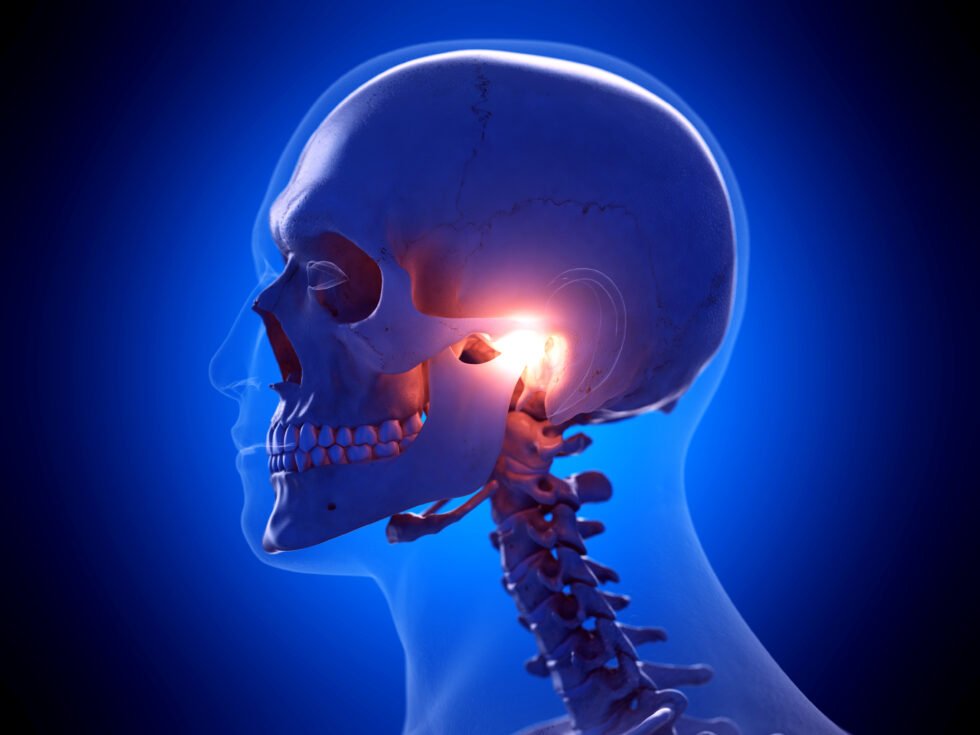
Physiotherapy, Manual therapy, Exercise Therapy for TMJ Pain
Temporomandibular Joint (TMJ) disorders can cause pain, clicking, stiffness and difficulty moving the jaw. The temporomandibular joint connects the lower jaw to the skull and plays an important role in eating, speaking and everyday facial movements. When this joint or the surrounding muscles become irritated, symptoms can develop that affect the jaw, face, head and neck. At Illawarra Rehabilitation Clinic in Warilla, our team assesses how your symptoms are affecting your movement, function and quality of life before developing an individualised rehabilitation plan based on your goals and needs. We support patients from Warilla, Shellharbour, Albion Park, Wollongong and throughout the Illawarra.
Book an Appointment
What Is TMJ Disorder?
TMJ disorder refers to a group of conditions affecting the jaw joint and surrounding muscles. Symptoms may develop due to joint irritation, muscle tension, teeth grinding, jaw clenching, injury or movement dysfunction. TMJ disorders can range from mild and intermittent through to persistent symptoms that affect eating, speaking and everyday comfort.
Common Symptoms of TMJ Disorder
Symptoms vary between individuals but may include:
✔ Jaw pain or discomfort
✔ Clicking or popping in the jaw
✔ Jaw stiffness
✔ Difficulty opening the mouth fully
✔ Pain while chewing
✔ Facial pain
✔ Headaches
✔ Ear pain or pressure
✔ Neck pain and tension
✔ Jaw locking or catching
Common Causes of TMJ Disorder
TMJ symptoms may develop due to a variety of contributing factors, including:
✔ Teeth grinding (bruxism)
✔ Jaw clenching
✔ Stress-related muscle tension
✔ Jaw injuries
✔ Arthritis affecting the joint
✔ Poor jaw mechanics
✔ Dental issues affecting bite alignment
✔ Excessive chewing
✔ Postural dysfunction
✔ Associated neck muscle tension
Because symptoms can have multiple contributing factors, an individual assessment is important before deciding on the most appropriate rehabilitation approach.
Assessment and Diagnosis
Your clinician will discuss your symptoms, medical history, lifestyle factors and rehabilitation goals. The assessment may include jaw movement testing, muscle assessment, neck mobility assessment, postural assessment and functional testing. The aim is to identify factors contributing to your symptoms and develop an individualised treatment plan tailored to your needs.
How Physiotherapy May Help
Physiotherapy may assist with improving jaw movement, reducing muscle tension and restoring normal function. Treatment may include education, jaw mobility exercises, hands-on treatment where appropriate, postural retraining, relaxation techniques and advice regarding activity modification. Physiotherapy may also address associated neck pain and muscle tension that can contribute to TMJ symptoms.
Related Service: Physiotherapy
How Exercise Physiology May Help
Exercise Physiology may assist individuals whose TMJ symptoms are associated with posture, muscular tension, reduced physical activity or broader musculoskeletal conditions. Exercise physiologists develop individualised programs designed to improve posture, neck and shoulder strength, mobility, stress management through physical activity and overall physical function.
Related Service: Exercise Physiology
Hydrotherapy for TMJ Disorders
While hydrotherapy does not directly treat the jaw joint, some people may benefit from hydrotherapy where TMJ symptoms are associated with chronic pain, neck pain, arthritis or general deconditioning. The warm water environment can assist with relaxation, mobility, strength and overall physical wellbeing as part of a broader rehabilitation program.
Related Service: Hydrotherapy
TMJ Rehabilitation Programs
Some individuals with persistent or recurring TMJ symptoms may benefit from a structured rehabilitation program. Rehabilitation may focus on improving jaw movement, reducing muscle tension, addressing postural contributors, managing associated neck pain and developing long-term strategies to support jaw health and function.
Related Service: Rehabilitation Programs
When Should You Seek Medical Advice?
You should seek medical or dental assessment if jaw pain is severe, symptoms develop following significant trauma, the jaw becomes locked, swelling occurs, significant changes in your bite develop or symptoms continue to worsen despite treatment. Your clinician may also recommend referral to a dentist, specialist or other healthcare provider where appropriate.
Why Choose Illawarra Rehabilitation Clinic?
✔ Physiotherapy
✔ Exercise Physiology
✔ Hydrotherapy Pool
✔ Rehabilitation Gym
✔ Work Rehabilitation Services
✔ NDIS Services
✔ Individualised Rehabilitation Plans
✔ Convenient Warilla Location
At Illawarra Rehabilitation Clinic, we provide a multidisciplinary approach to rehabilitation from our purpose-built facility in Warilla. Our team works with people recovering from injury, managing chronic conditions and improving their ability to work, exercise and stay active.
Frequently Asked Questions
Can physiotherapy help TMJ disorders?
Physiotherapy may help improve jaw mobility, reduce muscle tension, improve movement patterns and support long-term management of TMJ symptoms.
What causes clicking in the jaw?
Clicking may occur due to movement changes within the temporomandibular joint, muscle dysfunction or changes affecting the joint disc. An assessment can help determine possible contributing factors.
Can stress affect TMJ symptoms?
Yes. Stress can contribute to jaw clenching, teeth grinding and increased muscle tension, which may aggravate TMJ symptoms.
Can neck problems contribute to TMJ pain?
Neck posture, muscle tension and movement restrictions may influence TMJ function and are often assessed as part of rehabilitation.
Should I see a physiotherapist or dentist for TMJ pain?
Depending on your symptoms, both physiotherapists and dentists may play an important role in assessment and management. Your clinician can advise whether additional dental or specialist assessment may be appropriate.
Start Your Rehabilitation
If back pain is affecting your movement or everyday activities, our team can help you understand the appropriate next step.
Complete our online assessment or contact Illawarra Rehabilitation Clinic to discuss an appointment.