
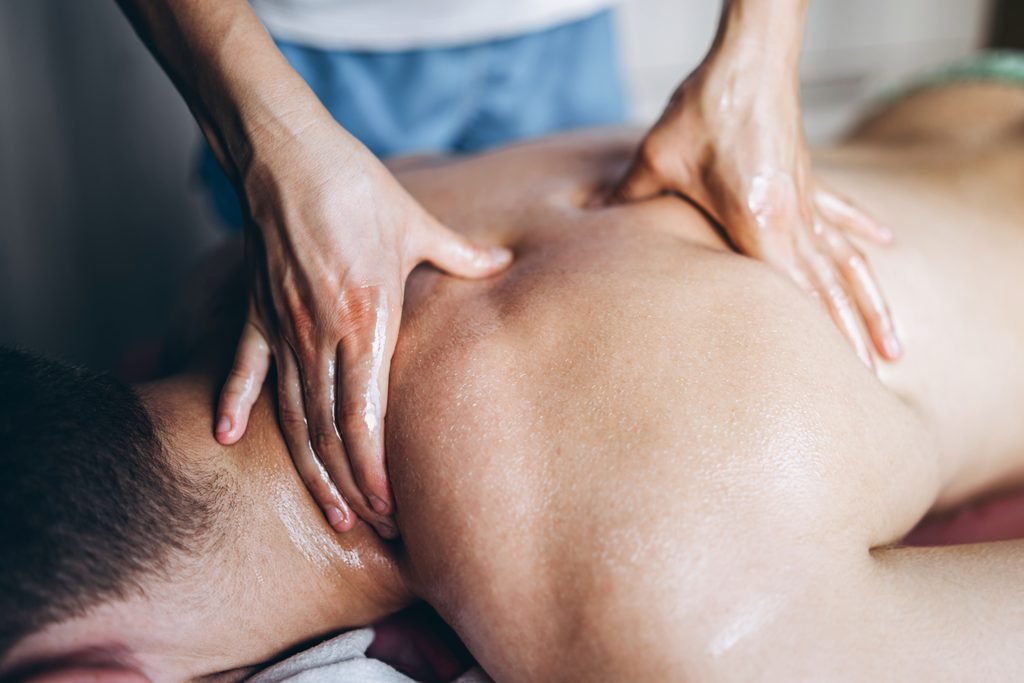
Physiotherapy for the Rotator Cuff in Shellharbour
Rotator cuff injuries are one of the most common causes of shoulder pain and can affect your ability to lift, reach, carry and perform everyday activities. Symptoms may develop gradually over time due to repetitive movements and age-related changes, or suddenly following a lifting injury, sporting activity or fall. At Illawarra Rehabilitation Clinic in Warilla, our team assesses how your symptoms are affecting your movement, function and quality of life before developing an individualised rehabilitation plan based on your goals and needs. We support patients from Warilla, Shellharbour, Albion Park, Wollongong and throughout the Illawarra.
Book an Appointment
What Is a Rotator Cuff Injury?
The rotator cuff is a group of four muscles and tendons that help stabilise and move the shoulder joint. Rotator cuff injuries can include tendon irritation (tendinopathy), inflammation, partial tears and full-thickness tears. These injuries can affect shoulder strength, movement and function and are commonly associated with repetitive overhead activities, sporting injuries and age-related tendon changes.
Common Symptoms of Rotator Cuff Injuries
Symptoms vary between individuals but may include:
✔ Pain when lifting the arm
✔ Pain reaching overhead
✔ Shoulder weakness
✔ Pain when reaching behind the back
✔ Discomfort when sleeping on the affected side
✔ Pain when carrying objects
✔ Reduced shoulder mobility
✔ Clicking or catching sensations
✔ Difficulty dressing or grooming
✔ Reduced ability to work, exercise or participate in sport
Common Causes of Rotator Cuff Injuries
Rotator cuff injuries may develop due to a variety of factors, including:
✔ Repetitive overhead activities
✔ Sporting injuries
✔ Workplace injuries
✔ Heavy lifting
✔ Falls onto the shoulder
✔ Age-related tendon degeneration
✔ Shoulder impingement
✔ Poor shoulder mechanics
✔ Previous shoulder injuries
✔ Repetitive strain
Because shoulder pain can arise from multiple structures, an individual assessment is important before deciding on the most appropriate rehabilitation approach.
Assessment and Diagnosis
Your clinician will discuss your symptoms, medical history, work demands, sporting activities and rehabilitation goals. The assessment may include shoulder movement testing, strength assessment, functional testing, postural assessment and review of imaging reports where available. The aim is to identify the structures involved, determine the severity of the injury and understand how the condition is affecting your movement and function.
How Physiotherapy May Help
Physiotherapy may assist with improving shoulder mobility, reducing pain, restoring strength and improving shoulder function. Treatment may include education, mobility exercises, strengthening programs, hands-on treatment where appropriate, movement retraining and guidance on gradually returning to work, sport and daily activities. Treatment recommendations are based on your assessment findings and rehabilitation goals.
Related Service: Physiotherapy
How Exercise Physiology May Help
Exercise Physiology plays an important role in rotator cuff rehabilitation. Exercise physiologists develop individualised exercise programs designed to improve shoulder strength, muscular endurance, shoulder stability and overall upper limb function. Programs are tailored to your injury, activity level and rehabilitation goals, with exercises progressed safely throughout recovery.
Related Service: Exercise Physiology
Hydrotherapy for Rotator Cuff Injuries
Hydrotherapy may provide a supportive and low-impact environment for shoulder rehabilitation. The buoyancy of the water can reduce stress through painful structures while allowing controlled movement and strengthening exercises. Hydrotherapy may assist with improving mobility, strength, confidence with movement and exercise tolerance. It is often used alongside physiotherapy and exercise physiology as part of a comprehensive rehabilitation program.
Related Service: Hydrotherapy
Rotator Cuff Rehabilitation Programs
Some individuals with more significant injuries, persistent symptoms or post-operative recovery requirements may benefit from a structured rehabilitation program. Rehabilitation may focus on restoring strength, improving range of movement, rebuilding shoulder function, returning to work or sport and developing long-term shoulder health strategies.
Related Service: Rehabilitation Programs
When Should You Seek Medical Advice?
While many rotator cuff injuries respond well to rehabilitation, medical assessment may be necessary if symptoms develop following significant trauma, shoulder weakness is severe, a tendon tear is suspected, symptoms are rapidly worsening or pain is significantly impacting your ability to function. Your clinician may also recommend further medical review where appropriate.
Why Choose Illawarra Rehabilitation Clinic?
✔ Physiotherapy
✔ Exercise Physiology
✔ Hydrotherapy Pool
✔ Rehabilitation Gym
✔ Work Rehabilitation Services
✔ NDIS Services
✔ Individualised Rehabilitation Plans
✔ Convenient Warilla Location
At Illawarra Rehabilitation Clinic, we provide a multidisciplinary approach to rehabilitation from our purpose-built facility in Warilla. Our team works with people recovering from injury, managing chronic conditions and improving their ability to work, exercise and stay active.
Frequently Asked Questions
Can a rotator cuff injury heal without surgery?
Many rotator cuff injuries can be managed successfully with rehabilitation, exercise and activity modification. The most appropriate approach depends on the severity of the injury and your individual circumstances.
Can physiotherapy help a rotator cuff injury?
Physiotherapy may help improve shoulder movement, strength and function while supporting recovery and reducing the impact of symptoms.
Can exercise help rotator cuff injuries?
Yes. Appropriate strengthening and rehabilitation exercises are often an important part of recovery and long-term shoulder function.
Is hydrotherapy suitable for rotator cuff rehabilitation?
Hydrotherapy may provide a comfortable and supportive environment for shoulder exercises, particularly when land-based movement is painful or restricted.
Will I need surgery for a rotator cuff tear?
Not all rotator cuff tears require surgery. A thorough assessment and review of imaging may help determine the most appropriate management pathway.
Start Your Rehabilitation
If back pain is affecting your movement or everyday activities, our team can help you understand the appropriate next step.
Complete our online assessment or contact Illawarra Rehabilitation Clinic to discuss an appointment.