ACL injuries
Rehabilitation for ACL injuries in Warilla and Shellharbour Anterior Cruciate Ligament (ACL) injuries are one of the most common serious knee injuries, particularly in sports involving jumping, pivoting,…
Learn More$79 per week includes pool access and over 100 video lessons.

At Illawarra Rehabilitation Clinic, we help people manage a wide range of musculoskeletal, neurological, chronic pain, workplace, and rehabilitation conditions. Whether you’re recovering from an injury, managing a long-term condition, preparing for surgery, or looking to improve mobility and function, our multidisciplinary team can help.
Our Approach: Assess → Diagnose → Prescribe → Restore Function
Explore the conditions below to learn more about common conditions treated by our physiotherapists and exercise physiologists. Our clinic is located in Warilla and supports patients from Shellharbour and throughout the Illawarra.

Neck pain may develop due to poor posture, muscle tension, arthritis, whiplash injuries, or disc degeneration. It can cause stiffness, headaches, reduced movement, and difficulty completing everyday tasks. We assess the underlying causes and develop personalised treatment programs to improve mobility, reduce pain, and restore function.
Back pain is one of the most common reasons people seek treatment and can arise from disc injuries, arthritis, muscle strain, poor posture, or degenerative changes. Symptoms may range from occasional discomfort to persistent pain affecting work, exercise, sleep, and daily activities. Our team provides evidence-based rehabilitation tailored to your goals.
Disc injuries and degeneration occur when the spinal discs gradually wear down or become damaged through ageing, injury, repetitive strain, or prolonged poor posture. Symptoms may include back pain, neck pain, stiffness, sciatica, numbness, tingling, and reduced mobility. Our team provides evidence-based physiotherapy, hydrotherapy, exercise rehabilitation, and education to improve function and support long-term spinal health.
Facet joint pain occurs when the small joints that connect the vertebrae in the spine become irritated, inflamed, or arthritic. This can cause localised neck or back pain, stiffness, difficulty with movement, and pain during activities such as bending or twisting. Our rehabilitation programs focus on improving mobility, strength, posture, and long-term spinal function.
Sacroiliac joint dysfunction occurs when the joints connecting the lower spine to the pelvis become irritated or move abnormally. Symptoms often include lower back, buttock, groin, or leg pain that can affect walking, sitting, and exercise. We provide personalised physiotherapy, exercise rehabilitation, and hydrotherapy to improve stability, reduce pain, and restore function.
Postural dysfunction develops when prolonged sitting, repetitive activities, muscle imbalances, or poor movement habits place excessive strain on the body. It can contribute to neck pain, back pain, headaches, reduced mobility, and fatigue. Our team identifies contributing factors and develops targeted rehabilitation programs to improve posture, movement efficiency, strength, and overall function.
Arthritis refers to joint inflammation and degeneration that can cause pain, swelling, stiffness, and reduced movement. It commonly affects the knees, hips, spine, hands, and shoulders. Through exercise therapy, hydrotherapy, physiotherapy, and education, we help individuals improve mobility, maintain independence, and manage symptoms effectively.
Ankylosing spondylitis is a chronic inflammatory condition that primarily affects the spine and sacroiliac joints. It can cause persistent back pain, stiffness, reduced mobility, fatigue, and postural changes over time. Early rehabilitation is important to maintain movement and function. Our team provides physiotherapy, hydrotherapy, exercise rehabilitation, and education to help manage symptoms and support long-term spinal health.
Chronic pain persists for more than three months and may continue even after tissues have healed. It can affect physical function, sleep, mood, and quality of life. Our multidisciplinary approach combines physiotherapy, exercise physiology, education, and graded rehabilitation to help patients regain confidence and improve daily function.
Sciatica occurs when the sciatic nerve becomes irritated or compressed, causing pain, numbness, tingling, or weakness that travels down the leg. Symptoms can significantly impact walking, sitting, and daily activities. Our rehabilitation programs focus on reducing nerve irritation, improving movement, and helping patients return confidently.
Scoliosis is a condition where the spine develops an abnormal sideways curve, which may affect posture, movement, strength, balance, and overall function. Symptoms can range from mild discomfort to persistent back pain, muscle fatigue, reduced mobility, and breathing difficulties in more severe cases. Our team provides personalised assessment, physiotherapy, hydrotherapy, exercise rehabilitation, and long-term management strategies.
Temporomandibular Joint (TMJ) dysfunction affects the jaw joint and surrounding muscles, often causing jaw pain, clicking, locking, headaches, facial pain, neck pain, and difficulty chewing. Symptoms can significantly impact daily comfort and function. Our team provides assessment, physiotherapy, exercise therapy, and education to improve jaw movement, reduce pain, and restore normal function.
Shoulder pain may result from rotator cuff injuries, bursitis, tendon irritation, instability, arthritis, or workplace and sporting injuries. Symptoms often affect lifting, reaching, sleeping, and everyday activities. Our rehabilitation programs focus on restoring strength, mobility, function, and confidence while reducing pain and preventing recurrence.
Rotator cuff injuries affect the muscles and tendons that stabilise the shoulder joint. They may cause pain, weakness, reduced movement, and difficulty lifting the arm. Our physiotherapists design individualised treatment plans that may include exercise therapy, manual therapy, hydrotherapy, and post-surgical rehabilitation where required.
Knee pain can arise from sports injuries, osteoarthritis, tendon conditions, meniscus injuries, or overuse. It can make walking, climbing stairs, exercising, and daily activities challenging. Our physiotherapists and exercise physiologists provide comprehensive rehabilitation programs to reduce symptoms, improve strength, and restore movement.
Anterior Cruciate Ligament (ACL) injuries are common in sports involving twisting, jumping, and sudden changes of direction. Symptoms include pain, swelling, instability, and reduced confidence during activity. We provide structured rehabilitation before and after surgery to maximise recovery, strength, stability, and return-to-sport outcomes.
Hip pain may result from arthritis, bursitis, muscle strains, tendon injuries, or degeneration. Symptoms often affect walking, exercise, sleeping, and overall mobility. Our team develops personalised rehabilitation programs incorporating physiotherapy, exercise therapy, hydrotherapy, and strength training to improve mobility and support long-term recovery.

We specialise in the rehabilitation of workplace injuries, helping injured workers recover safely and confidently. Our experienced team works closely with treating doctors, employers, insurers, rehabilitation providers, and case managers to support recovery, restore function, and achieve sustainable return-to-work outcomes.
Learn More: /workers-compensation

Rehabilitation following hip, knee, or shoulder replacement surgery is essential for restoring movement, strength, and confidence. Our physiotherapists and exercise physiologists provide structured programs designed to support recovery, improve mobility, reduce pain, and help you safely return to everyday activities.
Learn More: /conditions/joint-replacement-rehabilitation
Recovering from ACL reconstruction requires a progressive rehabilitation program focused on restoring strength, stability, balance, and confidence. Our team guides patients through every stage of recovery, helping them safely return to work, sport, and physical activity.
Learn More: /conditions/acl-reconstruction-rehabilitation
Rehabilitation following spinal surgery is critical for optimising recovery and restoring function. Whether recovering from a discectomy, laminectomy, fusion, or decompression procedure, our team provides personalised programs to improve mobility, strength, confidence, and long-term spinal health.
Learn More: /conditions/spinal-surgery-rehabilitation
Whether you’ve undergone rotator cuff repair, shoulder stabilisation, or shoulder replacement surgery, rehabilitation plays a key role in recovery. Our team develops tailored programs to restore range of motion, strength, function, and confidence while reducing the risk of future complications.
Learn More: /conditions/shoulder-surgery-rehabilitation
Orthopaedic trauma can result from serious injuries such as fractures, dislocations, crush injuries, and complex musculoskeletal trauma. Our experienced rehabilitation team provides comprehensive physiotherapy, exercise physiology, and hydrotherapy programs designed to restore mobility, rebuild strength, and maximise functional recovery following injury or surgery.
Learn More: /conditions/orthopaedic-trauma-recovery
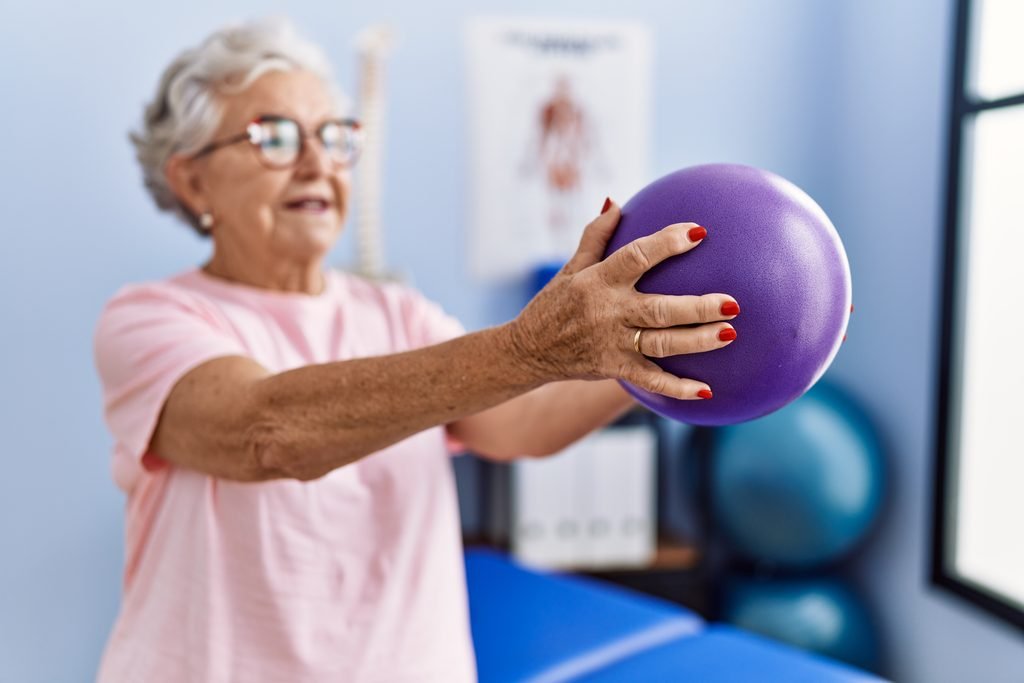
A stroke can affect mobility, balance, strength, coordination, and independence. Our rehabilitation team provides personalised programs to help individuals regain function, improve confidence, and maximise recovery through physiotherapy, exercise physiology, hydrotherapy, and functional training.
Learn More: /conditions/stroke-rehabilitation
Parkinson’s disease is a progressive neurological condition that can impact movement, balance, walking ability, and everyday function. Exercise and rehabilitation play an important role in maintaining independence. Our team provides targeted programs to improve mobility, strength, balance, and quality of life.
Learn More: /conditions/parkinsons-disease
Multiple sclerosis affects the communication pathways between the brain and body, often resulting in fatigue, weakness, balance issues, and mobility difficulties. Our rehabilitation programs focus on maintaining function, improving strength and endurance, and supporting long-term independence.
Learn More: /conditions/multiple-sclerosis
Acquired brain injuries can result from trauma, illness, or medical events and may affect movement, coordination, cognition, and daily function. Our team develops personalised rehabilitation programs to support recovery, improve physical function, and maximise participation in everyday activities.
Learn More: /conditions/acquired-brain-injury
Spinal cord injuries can significantly impact movement, strength, sensation, and independence. Our rehabilitation team provides goal-focused programs that aim to maximise function, improve mobility, enhance physical capacity, and support long-term health and wellbeing.
Learn More: /conditions/spinal-cord-injury
Cerebral palsy is a neurological condition that affects movement, muscle control, posture, and balance. We provide individualised rehabilitation programs designed to improve mobility, strength, coordination, and functional independence across all stages of life.
Learn More: /conditions/cerebral-palsy
Peripheral neuropathy occurs when nerves outside the brain and spinal cord become damaged, causing symptoms such as numbness, tingling, weakness, pain, and balance difficulties. Rehabilitation focuses on improving strength, function, stability, and confidence in daily activities.
Learn More: /conditions/peripheral-neuropathy
Balance disorders can affect confidence, mobility, and everyday safety. Whether related to ageing, neurological conditions, injury, or vestibular dysfunction, our rehabilitation programs are designed to improve stability, reduce falls risk, and restore independence.
Learn More: /conditions/balance-disorders
Gait and walking difficulties can result from neurological conditions, injury, surgery, ageing, muscle weakness, balance impairments, or chronic health conditions. These challenges can affect mobility, independence, confidence, and safety in everyday life. Our rehabilitation team provides personalised assessment and treatment programs designed to improve walking ability, balance, strength, endurance, and overall functional mobility.
Learn More: /conditions/gait-and-walking-difficulties
Reduced strength, balance, and mobility can increase the risk of falls and loss of independence. Our multidisciplinary team provides evidence-based assessment and rehabilitation programs to improve physical function, confidence, and safety in everyday life.
Learn More: /conditions/falls-risk-and-mobility-decline
Motor Neurone Disease (MND) is a progressive neurological condition that affects the nerves controlling movement, leading to muscle weakness, reduced mobility, balance difficulties, and loss of physical function. While there is currently no cure, rehabilitation can help maintain independence, manage symptoms, improve quality of life, and support participation in meaningful daily activities.
Learn More: /conditions/motor-neurone-disease
Not Sure Which Service You Need?
You do not need to know exactly which service is right for you before contacting the clinic.Our team can discuss what you are experiencing and help determine the most appropriate next step.
Rehabilitation for ACL injuries in Warilla and Shellharbour Anterior Cruciate Ligament (ACL) injuries are one of the most common serious knee injuries, particularly in sports involving jumping, pivoting,…
Learn MorePhysiotherapy for Ankylosing Spondylitis Treatment in Shellharbour and the Illawarra Ankylosing Spondylitis (AS) is a chronic inflammatory condition that primarily affects the spine and sacroiliac joints. It can…
Learn MorePhysiotherapy and Rehabilitation for Arthritis in Warilla Arthritis can affect joint comfort, movement, strength, and the ability to complete everyday activities. The way arthritis affects each person can…
Learn MorePhysiotherapy for Back Pain in Warilla and the Illawarra Back pain is one of the most common reasons people seek physiotherapy and rehabilitation. Symptoms can range from occasional…
Learn MoreExercise Physiology & Physiotherapy for Chronic Pain Chronic pain is generally described as pain that persists for longer than expected healing time, often lasting for three months or…
Learn MorePhysiotherapy for Disc Injuries and Degeneration Treatment in Warilla & the Illawarra Disc injuries and disc degeneration are common spinal conditions that can cause back pain, stiffness, reduced…
Learn MorePhysiotherapy for Hip Pain in Warilla and the Illawarra Hip pain can affect people of all ages and may interfere with walking, exercise, work, sleep and everyday activities.…
Learn MorePhysiotherapy for Facet Joint Injuries in the Illawarra Facet joint injuries are a common cause of back and neck pain. The facet joints are small joints located at…
Learn MorePhysiotherapy and Exercise Physiology for Knee Pain in Warilla Knee injuries are a common reason people seek physiotherapy and rehabilitation. Whether caused by sport, work activities, exercise, a…
Learn MorePhysiotherapy & Exercise Physiology for Neck Pain in Warilla & the Illawarra Neck pain is a common condition that can affect people of all ages. Symptoms may develop…
Learn MorePhysiotherapy, Manual therapy, Exercise Therapy for TMJ Pain Temporomandibular Joint (TMJ) disorders can cause pain, clicking, stiffness and difficulty moving the jaw. The temporomandibular joint connects the lower…
Learn MorePhysiotherapy and Exercise Physiology for the treatment of Postural Disorders Warilla Postural disorders can contribute to pain, stiffness, muscle tension and reduced movement throughout the body. Poor posture…
Learn MorePhysiotherapy for the Rotator Cuff in Shellharbour Rotator cuff injuries are one of the most common causes of shoulder pain and can affect your ability to lift, reach,…
Learn MorePhysiotherapy and Exercise Physiology for Sciatica Sciatica is a condition that causes pain, tingling, numbness or altered sensation that radiates from the lower back into the buttock and…
Learn MorePhysiotherapy and Exercise Physiology for the treatment of Scoliosis Scoliosis is a condition involving an abnormal sideways curvature of the spine. While some people experience few symptoms, others…
Learn MoreShoulder Pain Treatment in Warilla - Physiotherapy or Exercise physiology? Shoulder pain is a common condition that can affect your ability to work, exercise, lift, reach and perform…
Learn MorePhysiotherapy for SIJ pain in Shellharbour Sacroiliac (SI) joint dysfunction is a common source of lower back, buttock and pelvic pain. The sacroiliac joints connect the spine to…
Learn MoreContact Illawarra Rehabilitation Clinic or complete the online assessment and our team can help determine an appropriate next step.
Start My Assessment Contact the Clinic